

Wired to Lead: How Neuroscience Enhances Leadership Skills
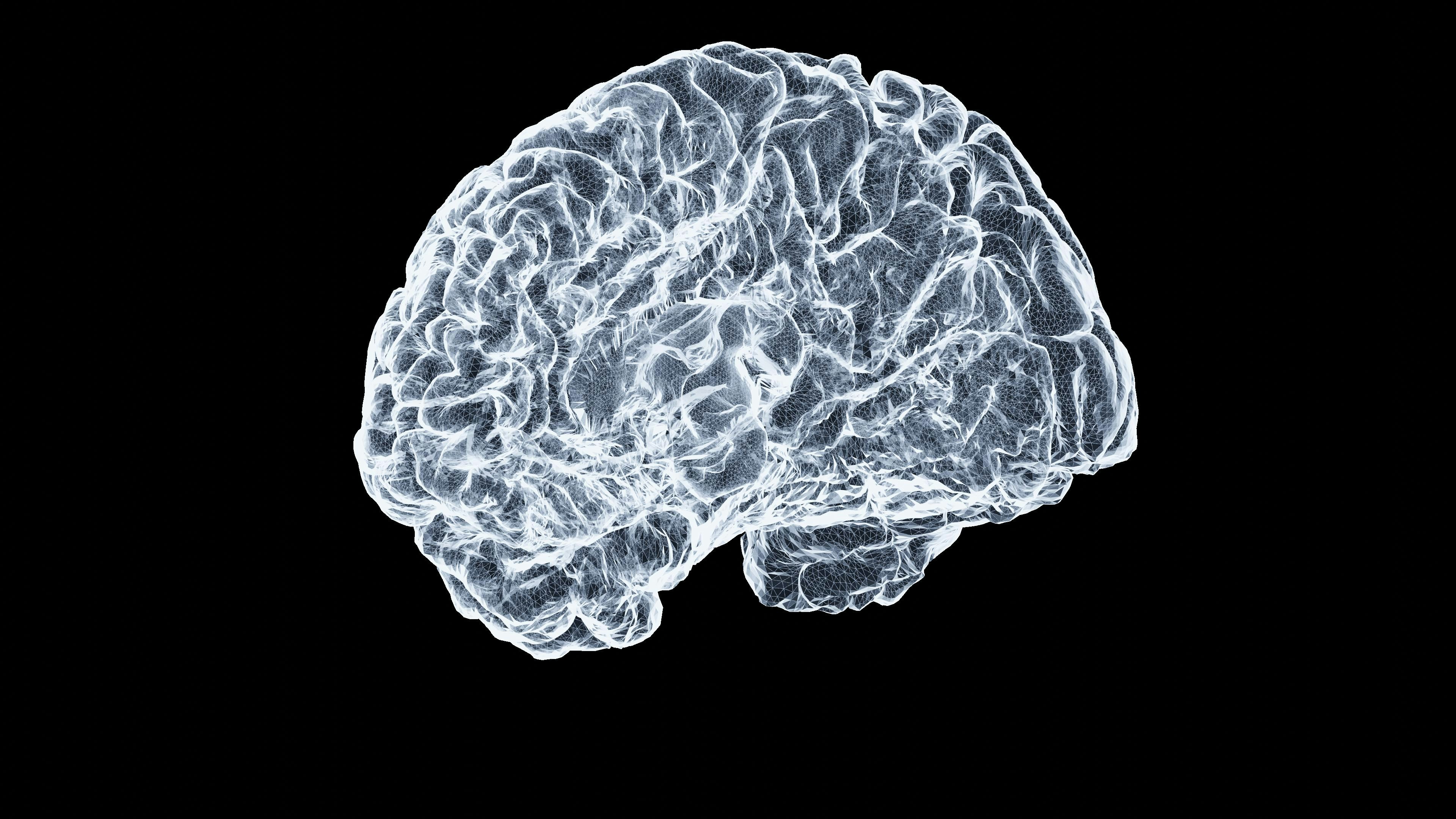
Leadership possibilities are limitless when we understand the brain

Nancy Gunter, Certified Neuroscience Coach
Our brains drive our ability to positively impact our team, make the most effective decisions and become strong, emotionally intelligent leaders.
TULSA, OK, UNITED STATES, February 23, 2026 /EINPresswire.com/ -- Leaders often believe performance challenges stem from skill gaps or desire, but emerging insights from neuroscience show that the real driver of workplace culture may be something far more fundamental: the brain itself. From mirror neurons that create emotional contagion to stress hormones that silently fuel burnout, science is revealing why leaders show up the way they do and how intentional rewiring can transform their impact.Leadership is not just behavioral, it is neurological.
Neuroscience research shows that mirror neurons in the brain cause emotions to spread quickly throughout teams. When leaders display anxiety, frustration, or calm confidence, those emotional states become contagious. This “contagion effect” means leaders are constantly influencing team morale - whether they realize it or not.
At the same time, the brain is wired for survival. When leaders dwell on past mistakes or worry about future uncertainty, the brain activates stress responses. Chronic stress, high pressure, and burnout increase cortisol levels, which impair decision-making, creativity, and ultimately health.
Studies in positive psychology suggest that maintaining at least a 3:1 positive-to-negative interaction ratio helps prevent individuals and teams from spiraling into negativity. Without intentional positive resilience, teams can quickly become defensive, reactive, and disengaged.
The brain also seeks homeostasis - stability and predictability. This natural desire for equilibrium can trigger resistance to change, even when change is necessary for growth. What feels like stubbornness may simply be neurology.
Compounding the issue, willpower is a limited cognitive resource. Throughout the day willpower naturally declines unless you intentionally build in moments to restore it. Under pressure, leaders are more susceptible to emotional hijacks, reacting impulsively rather than responding thoughtfully. These reactions are often the result of neural pathways that have developed over years, automatic responses shaped by past experiences.
The good news: neural pathways are not fixed.
Because the brain is capable of neuroplasticity, leaders can intentionally rewire patterns that are no longer productive. By developing awareness of how they show up leaders can reshape their neural responses and create healthier, higher-performing environments.
This intentional rewiring strengthens emotional intelligence. The more aware leaders become of their internal triggers and their external impact, the greater their ability to regulate reactions, influence culture, and inspire performance.
Nancy Gunter, certified neuroscience coach, explains:
“Leadership isn’t just about what you say or do, it’s about the neural pathways that have developed over your lifetime. If we don’t understand how our brain influences stress, emotion, and reaction, we lead on autopilot. But when leaders learn how to intentionally rewire their thinking, they don’t just improve performance, they transform culture.”
Organizations navigating burnout, generational tension, and high-pressure demands must move beyond surface-level leadership strategies and address the neuroscience driving behavior.
Nancy Gunter works with organizations to translate brain science into practical leadership tools that increase emotional intelligence, reduce burnout, and strengthen team culture.
Leaders who understand the brain lead differently.
Nancy Gunter
Gunter Training
nancy@guntertraining.com
Visit us on social media:
LinkedIn
Facebook
YouTube
Legal Disclaimer:
EIN Presswire provides this news content "as is" without warranty of any kind. We do not accept any responsibility or liability for the accuracy, content, images, videos, licenses, completeness, legality, or reliability of the information contained in this article. If you have any complaints or copyright issues related to this article, kindly contact the author above.
